
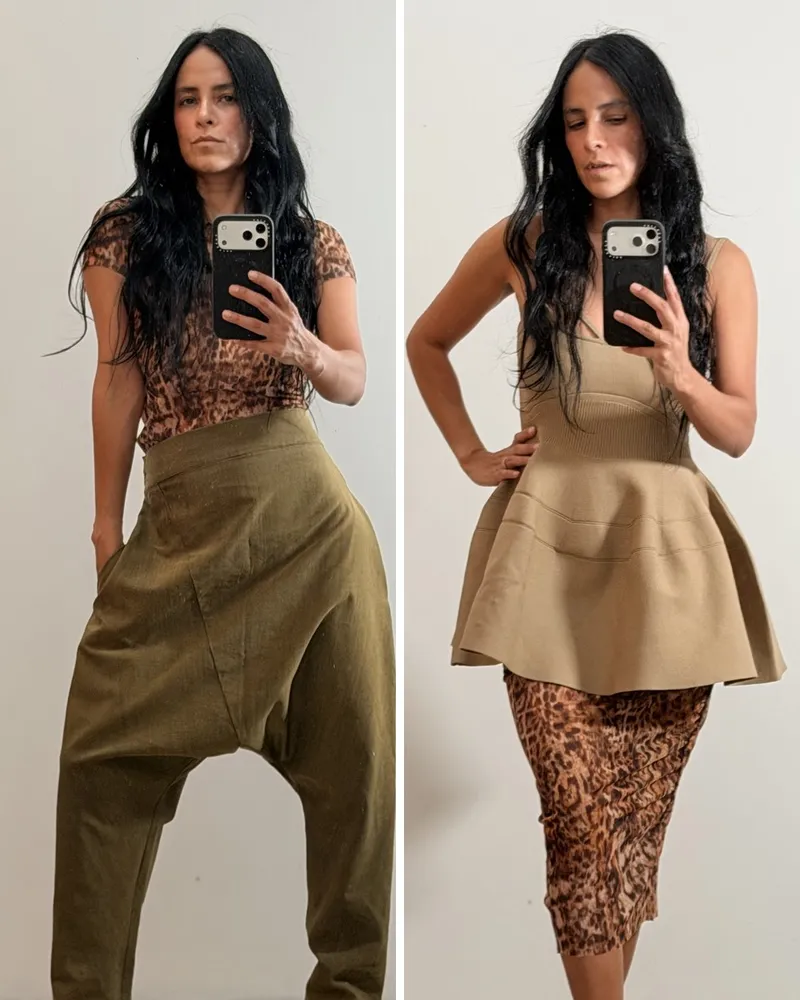
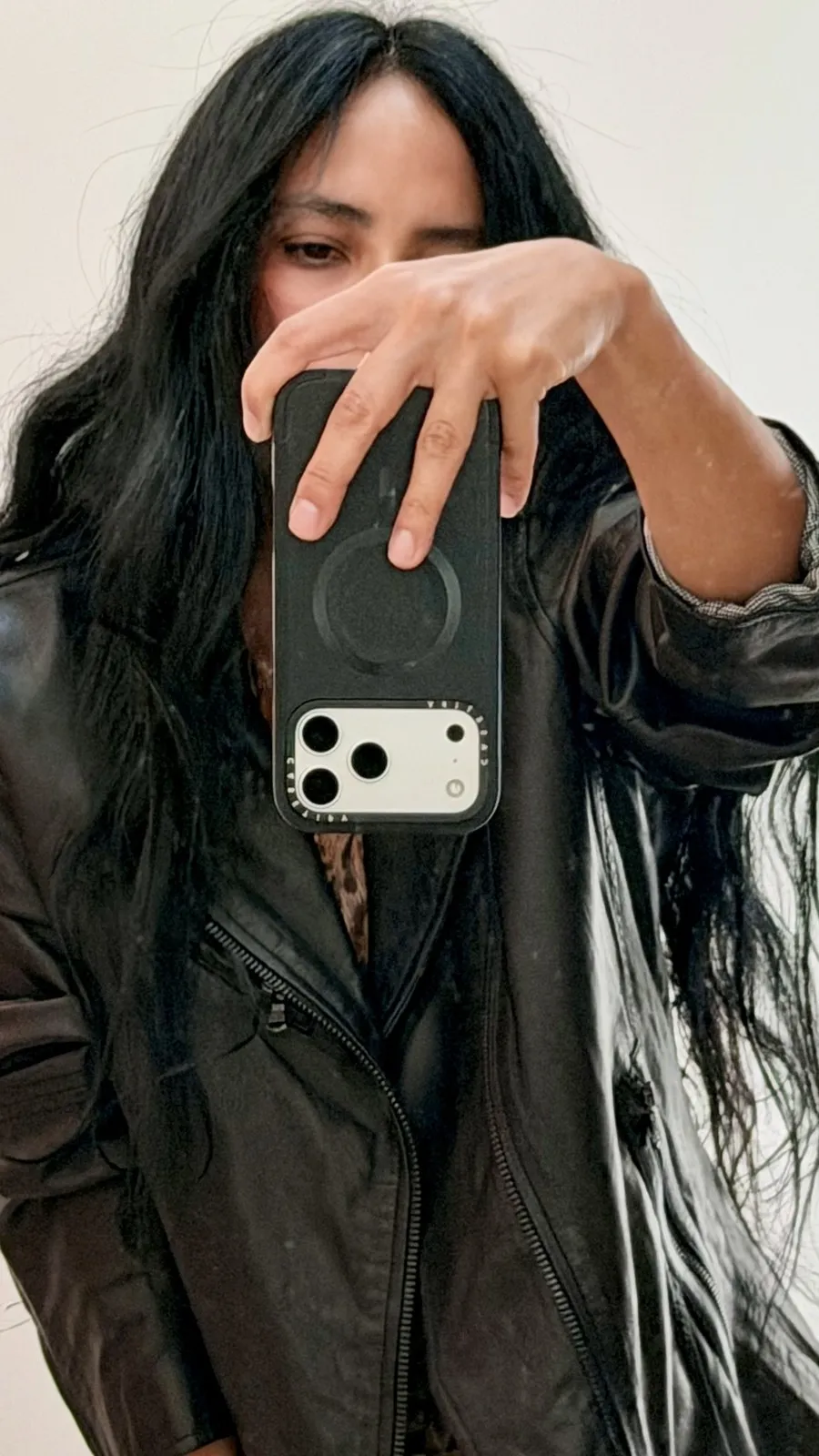

Leopard went to couture before it went anywhere else
Let's start with the inconvenient fact for the taste committee. Leopard print walked in Christian Dior's very first collection in 1947, the one that gave the world the New Look. According to the New Zealand Fashion Museum, that debut included a long leopard print evening gown and a belted leopard sheath called Jungle. Dior's muse Mitzah Bricard, famous for her leopard scarves, is so tied to the print that the house still names its leopard collections after her.
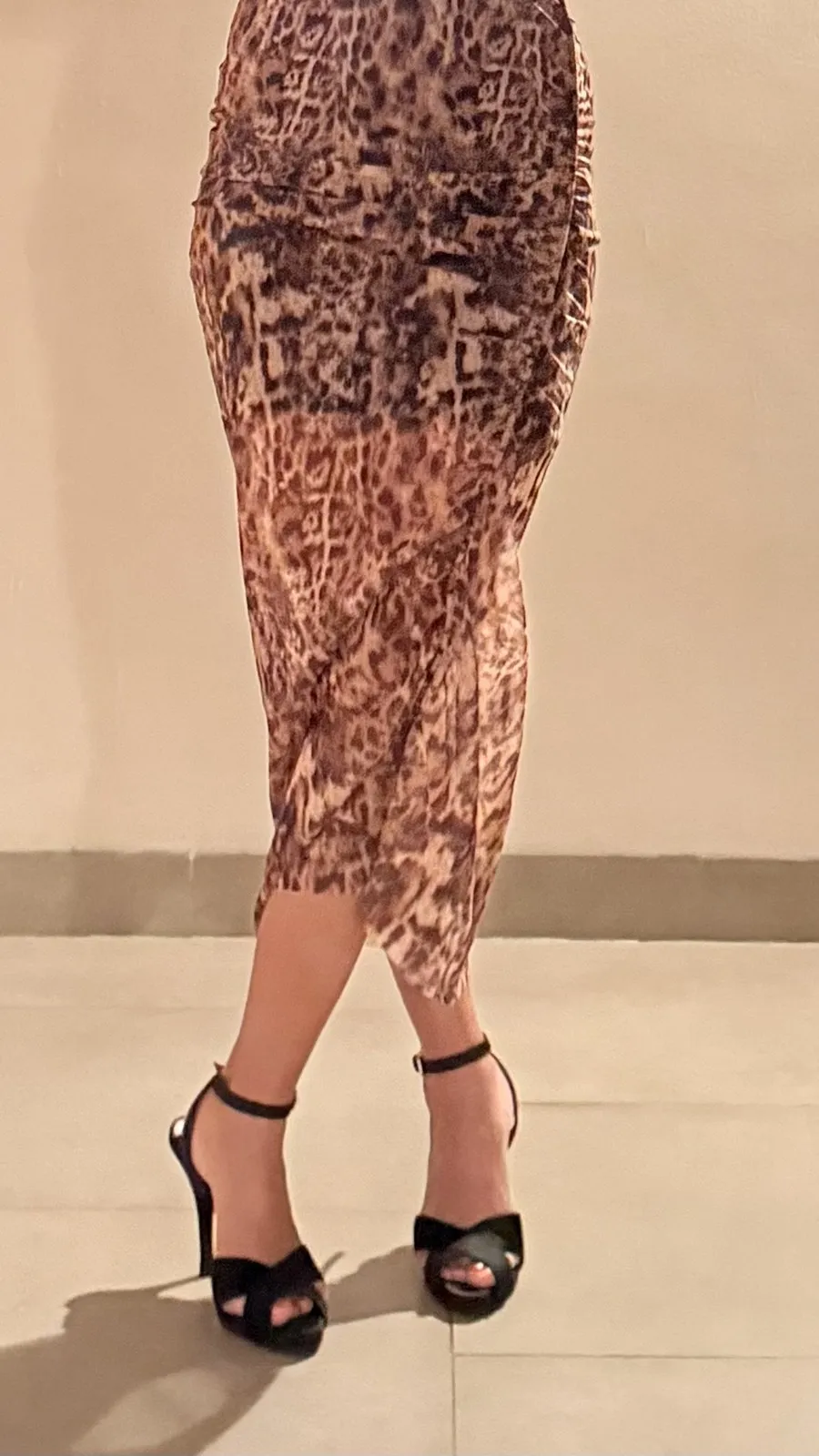
Dior even left written advice on the subject: to wear leopard, he wrote, you need a femininity that's a little sophisticated, and if you're fair and sweet, don't wear it. Translation: this print was never for women who wanted to blend in. It was for women who knew exactly what they were doing.
How it got its bad reputation
Good taste isn't a law of nature. It's a rule someone wrote to feel superior.
If leopard started in couture, how did it end up as shorthand for 'too much'? Part of the answer is a cautionary tale. In 1962, First Lady Jacqueline Kennedy wore a real leopard fur coat designed by Oleg Cassini, and, as the Museum at FIT notes, it sparked a massive trend for the fur that led to the near extinction of the animal. Real leopard eventually became illegal to trade, and the print moved to fabric, where it became cheap to produce and easy to overdo.
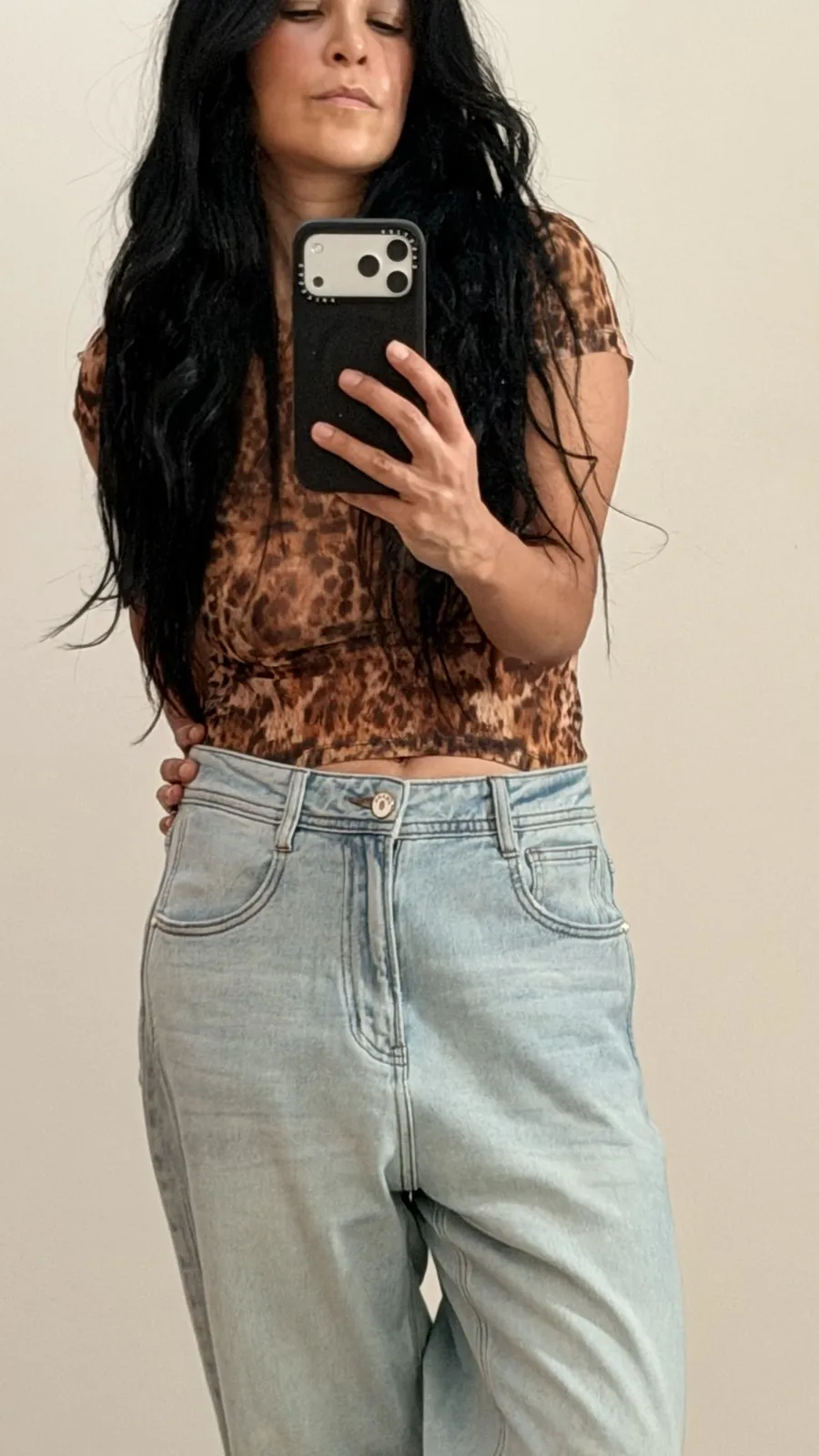 With jeans
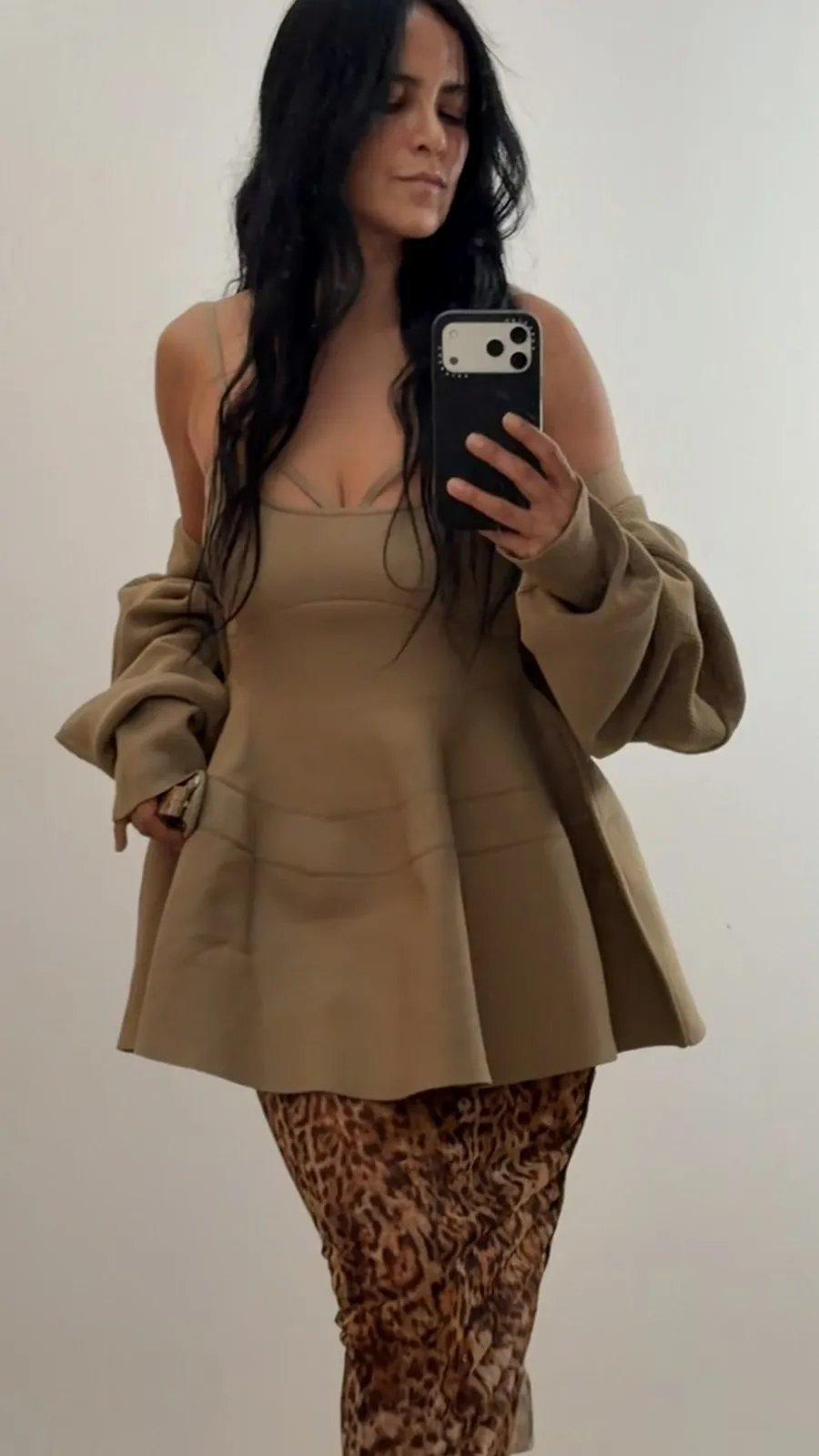 With a utility jacket
Mass production did what it always does: it put leopard everywhere, combined with everything, at volume ten. The print didn't become tacky. The styling did. Leopard with another print, sparkle, sky-high heels and a bright lip all at once isn't a leopard problem; it's a too-many-protagonists problem.
Why stylists call it a neutral
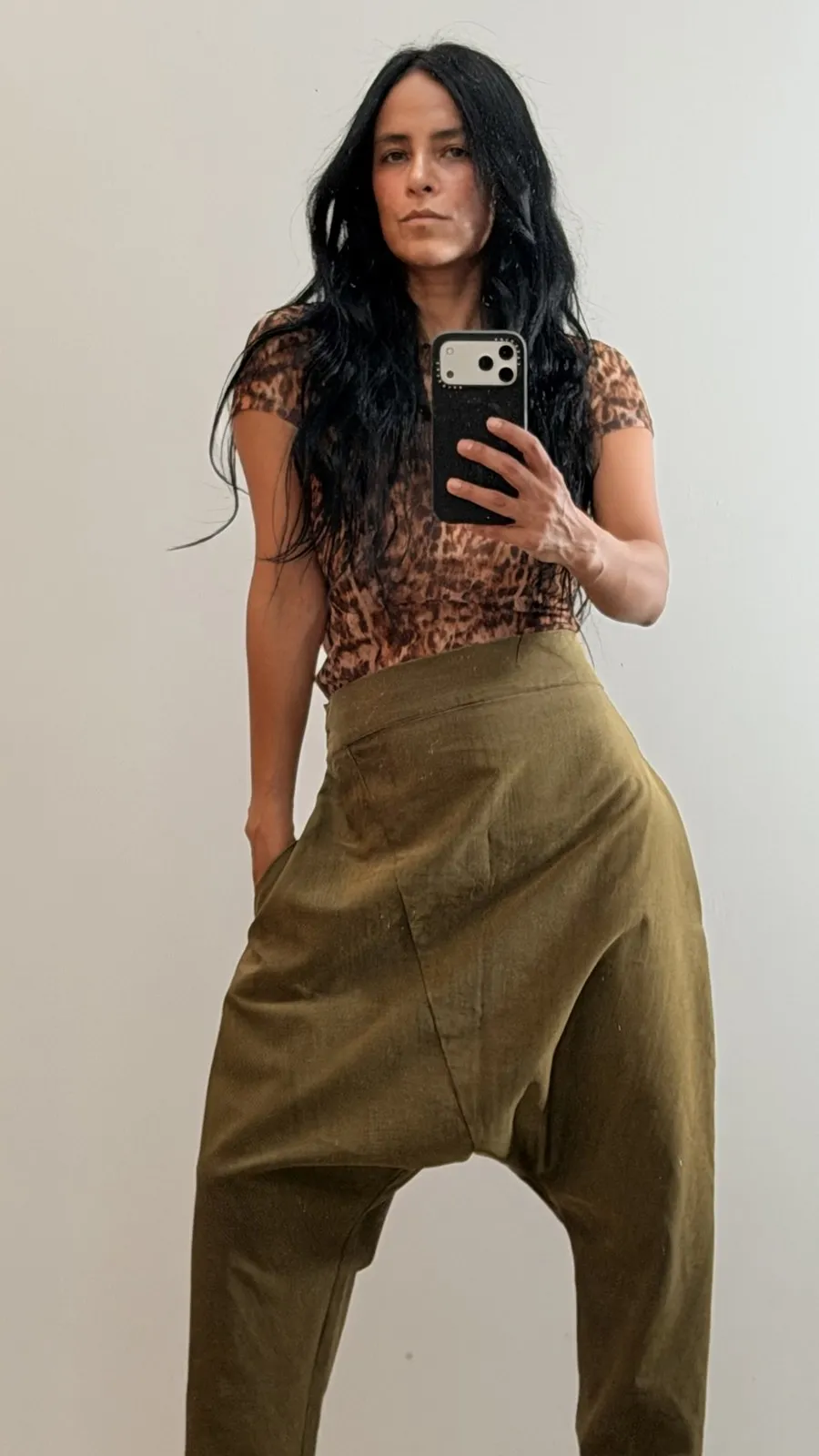
Here's the theory that will change how you see it. Look closely at a classic leopard pattern: it's made of browns, tans, black and cream. Those are exactly the colors of the most basic neutrals in your closet. That's why stylists treat leopard as a neutral with personality, like beige that went to drama school. It goes with black, brown, cream, camel, denim, olive and white, which is more than most solid colors can say.
 Brown
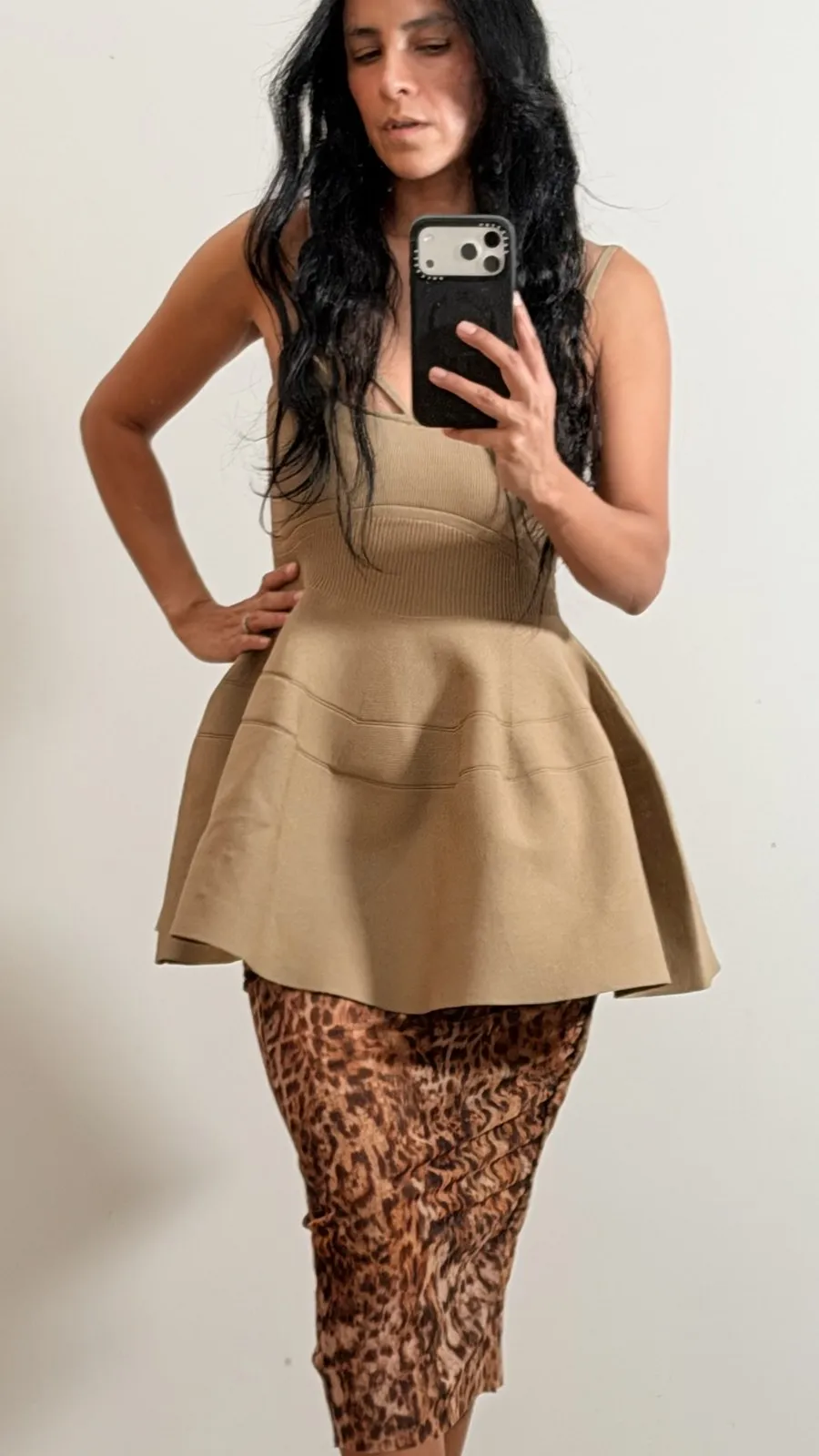 Sand
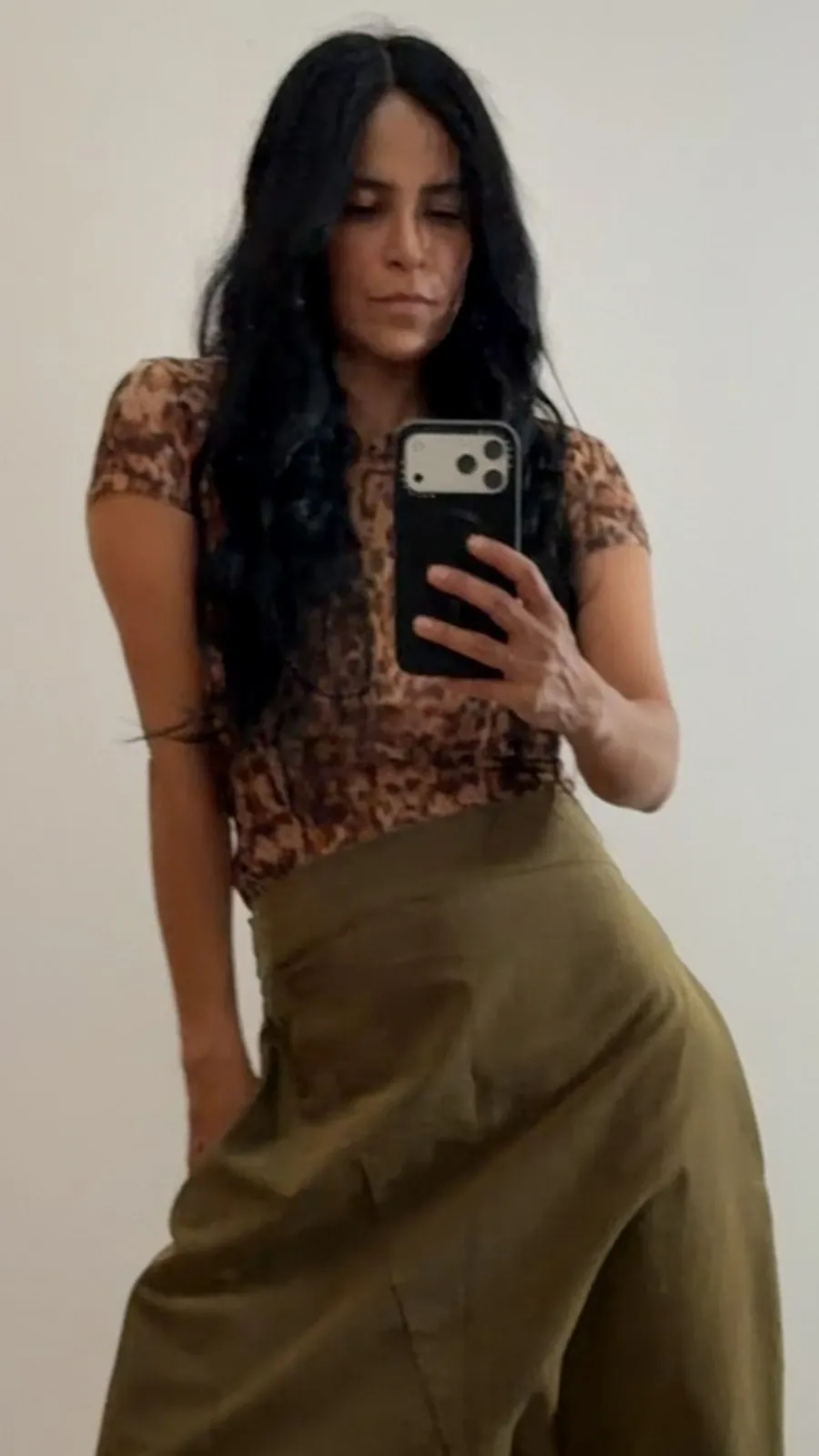
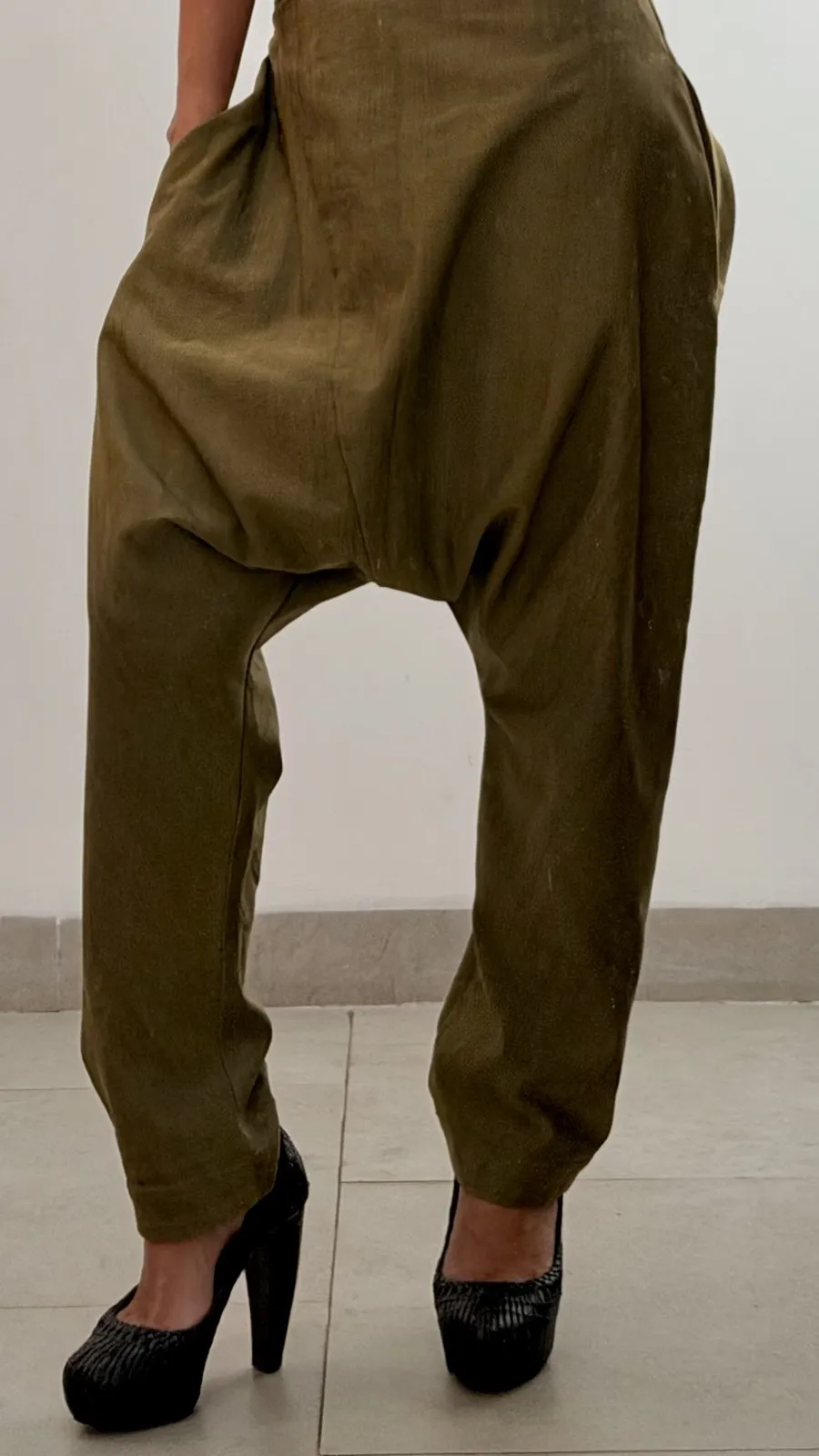 Olive
The key that keeps it elegant is the same one that works for neon or a big logo: one star only. If the leopard is the star, everything around it stays solid and calm. One leopard piece plus quiet colors reads intentional. Leopard plus another print: two stars competing for the same eye.
Scale matters too. Small, dense spots read as texture, almost like a tweed; large, contrasting spots read as a statement. If you're new to the print, start small (a scarf, shoes, a belt) and work your way up to the blouse.
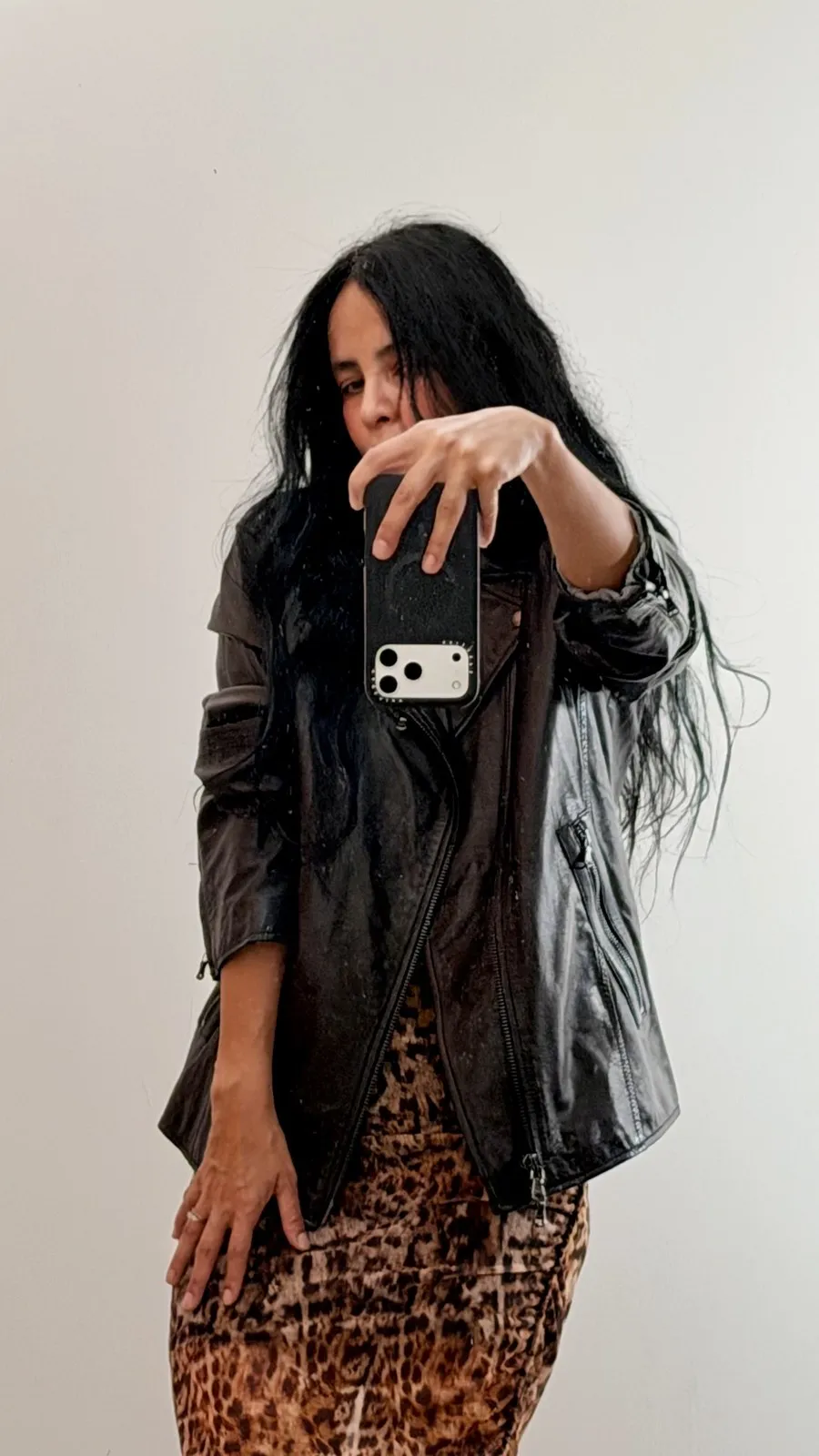
A practical note on where to wear it on your body. Near the face, leopard acts like a frame, so choose the colorway that flatters your skin: warmer, golden versions for warm undertones, cooler gray or snow-leopard versions if gold makes you look tired. Lower down (a skirt, pants, shoes) the print is more forgiving, because it doesn't compete with your face. And if you're unsure, a leopard coat over all black is nearly impossible to get wrong; it's the training wheels of the print, and plenty of very elegant women never take them off.
The YB Method, applied
By day, by night and in any season. A fitted leopard top with wide olive pants and black platform heels is daytime with attitude. The same top under a black blazer with straight black trousers goes to dinner without trying too hard. With faded jeans and white sneakers it's the weekend uniform of someone who doesn't ask permission.
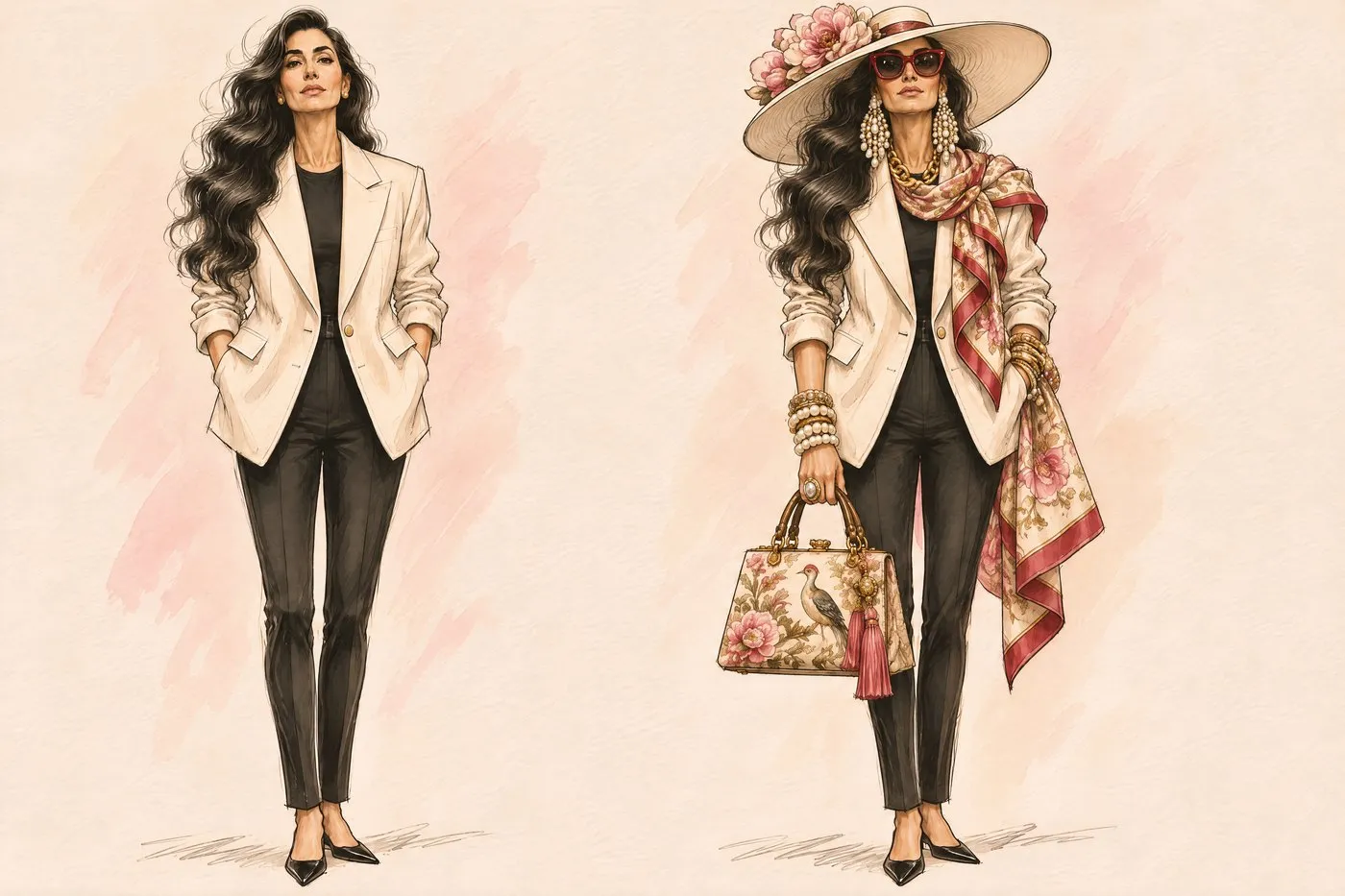
Smart shopping with leopard is about quality of the print, not quantity. Look for natural colors (warm browns and blacks rather than neon versions), crisp edges and a fabric with some substance, because cheap fabric makes the print look cheap. A good leopard piece in a classic color story will outlive every trend cycle; it's been around since 1947, after all.
Wanting to be seen isn't overdoing it. It's simply no longer asking permission.
Frequently asked questions
Is leopard print tacky?
Why is leopard print considered a neutral?
How do you wear leopard print after 40?
What colors go with leopard print?
Can you wear leopard print to work?
Sources and further reading
- New Zealand Fashion Museum — Urban Jungle
- Dior — The Mitzah collection
- The Museum at FIT — Fur jacket (leopard), collection notes
Read next
The blazer is not a uniform: a short history of a misunderstanding →Neon has no age: the color theory nobody taught you →The poncho is not a hideout: the theory of volume after 40 →A logo is an ad: what brand prominence says about you →Sweet and tough: the theory behind a dress and a leather jacket →Beauty is not pain: why comfort is a style decision →The black vest: five ways to wear the garment a king swore would never change →Velvet is not just for the holidays: how to wear a velvet blazer by day →White doesn't expire in September: the truth about no white after Labor Day →The feather skirt is not just for parties: one star piece, three ways to wear it →Leopard on your feet: how to wear leopard print boots with almost everything →One loud piece, quiet basics: how to wear a statement coat without the costume effect →The trench coat is not a raincoat: London and Paris reinvented it (and it's already in your closet) →The corset doesn't squeeze you, it holds you: how to wear one all day without suffering →Loafers are not just for men: five ways to wear them with everything →Turn off the color and texture turns on: what black and white reveals about your style →When your outfit owns every corner: simple is not the same as invisible →Spring 2027 runway trends are already in my closet: what London, Milan and Paris showed →Tailoring that hugs: the black suit, the vest and Milan's cinched waist →The high-low hem is back: my white ruffled dress and London's runways →Leopard is the neutral of 2027: Paris just confirmed it →The evening jacket, now by day: Milan and Paris agree →